
Stop Lawn Disease With Fungicide Treatment in Leander
Periods of rain, humidity, and lingering moisture can create the perfect environment for fungal disease to develop in Central Texas lawns. Professional lawn fungicide treatment in Leander helps control active fungal problems before damaged areas have a chance to spread farther across your turf. If you've noticed unusual brown patches, yellowing grass, or areas that continue getting worse despite proper watering, Denton Lawn Care can help determine the next step. Call 512-658-7524 to schedule service or discuss what you're seeing in your yard.
Our lawn fungicide treatments are designed to help control fungal disease after prolonged wet weather while protecting the healthy turf surrounding affected areas. Combined with proper watering, mowing, and lawn care practices, treatment can help stop continued browning and give your grass a better opportunity to recover.
Get a Weed-Free Lawn This Season
Get A Free Quote
When Brown Grass May Be More Than Drought Stress
A brown area in the lawn does not always mean the grass needs more water. In fact, adding even more moisture to a lawn suffering from certain fungal diseases can make the problem worse. Warm temperatures, humid nights, frequent rainfall, excessive irrigation, poor drainage, and grass that remains wet for long periods can all contribute to conditions in which lawn diseases become more active.
Fungicide treatment may be worth considering when you notice symptoms such as:
- Brown, yellow, or thinning patches that continue expanding.
- Irregular areas of turf that do not improve after normal watering.
- Discolored grass appearing after an extended period of rainy or humid weather.
- Recurring lawn disease in the same areas during certain parts of the year.
- Weak turf that begins thinning even though the rest of the lawn remains healthy.
- Visible symptoms that suggest fungal activity rather than simple heat or drought stress.
Different lawn problems can look surprisingly similar, which is why identifying the likely cause is important before applying a treatment. Insects, watering problems, compacted soil, nutrient deficiencies, and fungal disease can all cause discoloration. Our team considers the condition of the turf and recent weather before recommending the appropriate lawn service.
How Our Lawn Fungicide Treatment Works
Successful disease management involves more than spraying every brown area in the yard. We focus on identifying conditions associated with the problem, selecting an appropriate treatment, and helping reduce the environmental stress that allowed the disease to become severe.
- Evaluate: We look at the location, appearance, and pattern of damaged turf.
- Consider Conditions: Recent rainfall, irrigation habits, drainage, shade, and humidity can help explain why disease developed.
- Treat: An appropriate fungicide is applied according to product directions and the needs of the lawn.
- Protect: Coverage may include surrounding turf where appropriate to help manage further disease activity.
- Recommend: We provide practical watering and lawn-care guidance that can help reduce future disease pressure.
Fungicides control fungal pathogens; they do not instantly replace grass that has already died. Once disease pressure has been reduced, the remaining turf needs time and favorable growing conditions to recover. Severe areas may eventually require additional lawn repair.
If your lawn has developed suspicious patches following heavy rain, call 512-658-7524. Denton Lawn Care can help you address the problem before unnecessary damage spreads across more of your property.
Why Choose Denton Lawn Care for Lawn Disease Control?
Central Texas weather can shift quickly between hot, dry conditions and stretches of heavy rain. That creates changing challenges for Bermuda, St. Augustine, Zoysia, and other lawns throughout Leander. Working with a local lawn company means your treatment can be coordinated with the actual growing conditions your grass is experiencing.
- Local experience with common Central Texas turf types.
- Treatments selected according to lawn conditions and seasonal timing.
- Careful applications instead of unnecessary blanket treatment.
- Clear recommendations for watering and maintenance after treatment.
- Convenient service from a team already caring for lawns throughout the Leander area.
Our goal is not simply to improve how a lawn looks today, but to help address the conditions contributing to long-term turf health. We can also coordinate fungicide treatment with services such as lawn fertilization, core aeration, and ongoing lawn care when those services are appropriate.
Towns We Service
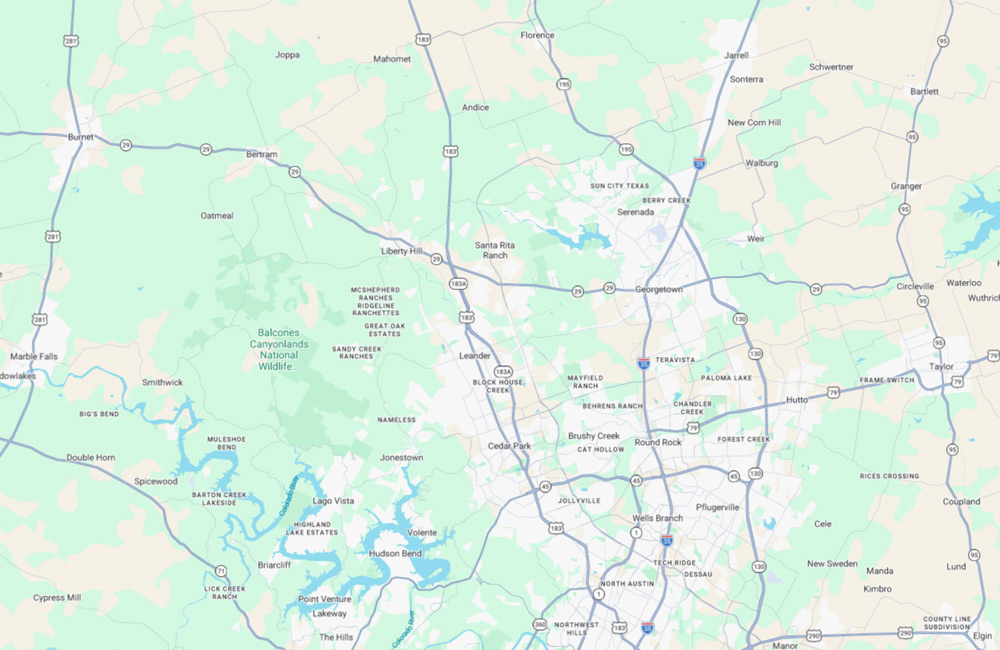
Denton Lawn Care proudly provides lawn services throughout Leander and nearby communities. Our team works across neighborhoods in this part of Central Texas where warm temperatures, limestone-heavy soils, and seasonal rainfall all influence how lawns grow. Because we understand the local conditions, we can recommend services that help grass stay healthier through both hot summers and active growing seasons.
Many of the properties we service include a mix of Bermuda, St. Augustine, and Zoysia turf. Each of these grasses responds differently to mowing height, fertilizer timing, and seasonal treatments. By tailoring our lawn services to the needs of each property, we help homeowners across the area maintain lawns that look clean and consistent from the curb to the backyard.
Wet Weather and Fungal Problems in Central Texas Lawns
Leander lawns are accustomed to heat, but prolonged rainfall can present a different kind of stress. When soil remains saturated and grass stays damp, fungal activity can increase. St. Augustine lawns in particular can develop noticeable discoloration during disease outbreaks, while Bermuda and other warm-season turf can experience their own fungal problems.
Good lawn management helps reduce these risks. Proper drainage, reasonable fertilization, correct mowing height, and irrigation based on actual lawn needs all support stronger turf. Watering simply because the sprinkler system is scheduled to run can create unnecessary moisture after rainy periods.
Fungicide treatment works best as one part of an overall lawn-care strategy. If an underlying drainage, irrigation, or turf-health problem remains unchanged, disease pressure can return when conditions become favorable again. Denton Lawn Care can help you determine which services make sense for the current condition of your yard rather than treating every lawn exactly the same.
What Sets Our Lawn Services Apart?
26+ Years In Business
Commercial Pesticide Applicator #0878317
$50 Referral Rewards
Satisfaction Guaranteed Lawn Care
Local Lawn Experts Since 1999
Frequently Asked Lawn Fungicide Treatment Questions
Fungal disease can cause yellowing, thinning, brown patches, or irregular areas of declining turf, but those symptoms can also be caused by insects, drought, nutrient issues, or irrigation problems. Looking at the pattern of damage and recent lawn conditions helps determine whether fungus is a likely cause.
Fungicide is intended to control the fungal disease rather than instantly repair damaged grass. Turf that is still alive may gradually recover once disease pressure is reduced and growing conditions improve. Areas where the grass has completely died may require additional repair.
You can reduce disease pressure by avoiding excessive watering, improving drainage where possible, mowing correctly, and keeping the lawn healthy without overfertilizing. Some properties with recurring problems may also benefit from appropriately timed preventive treatments.
If you're concerned about spreading brown patches in your Leander lawn, call Denton Lawn Care at 512-658-7524 to discuss professional lawn fungicide treatment.
Real Lawns. Real Results.

Lawn Care Tips
-
Lawn Insect Control: Signs Your Grass Is Being Damaged by Pests
You want a lawn that stays green through our Hill Country heat. If your grass starts to thin, yellow, or brown in odd patterns, insects may be the reason. This guide shows you what to look for in Leander yards and when to call for lawn […]
-
Why Store-Bought Weed Killers Often Fall Short in Leander Lawns
Leander’s heat, thin Hill Country soils, and surprise rain bursts make weeds stubborn. That is why many bottles from the store give quick browning but not lasting results. If you want a lawn that holds up across Crystal Falls, Travisso, Bryson, Mason Hills, and Block House […]