
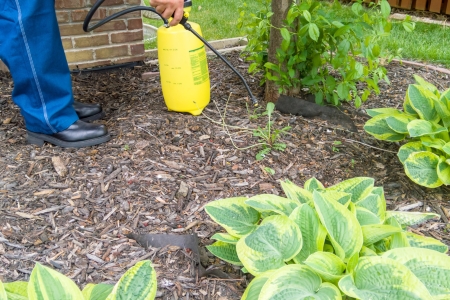
Why Store-Bought Weed Killers Often Fall Short in Leander Lawns
Leander’s heat, thin Hill Country soils, and surprise rain bursts make weeds stubborn. That is why many bottles from the store give quick browning but not lasting results. If you want a lawn that holds up across Crystal Falls, Travisso, Bryson, Mason Hills, and Block House Creek, a seasonally timed plan matters more than a catchy label. See how a tailored approach on our weed control in Leander page beats short-term fixes.
Here is the core problem with off‑the‑shelf products: they are built for broad regions, not for Central Texas growth cycles. **Timing matters more than brand**, and the right rate, product, and application window change with the season. That is where trained techs read the lawn, not just the bottle.
What Makes Leander Lawns Tough On Weed Killers
Our area swings from spring bursts of growth to months of triple‑digit heat. Shallow, limestone‑influenced soils dry out fast, then soak quickly during storms. Those swings change how herbicides move and how turf responds.
Warm‑season grasses like Bermuda and St. Augustine also react differently to ingredients. A product that is gentle on Bermuda can stress St. Augustine along a hot fence line. **Not all weed killers are safe for every grass type**, which is one reason big-box bottles can backfire.
Why Store-Bought Weed Killers Often Miss The Mark
- Wrong target: Many bottles are general broadleaf killers that do little to sedges or grassy weeds like crabgrass or dallisgrass.
- Missed window: Pre‑emergent timing is everything. If it goes down too late, seeds have already sprouted beneath the surface.
- Rate confusion: Labels show ranges, but lawns vary by shade, soil, and stress. **More product is not better** and can injure turf.
- Heat stress: Applications during very hot afternoons can raise turf injury risk and reduce control.
- Resistance and re‑sprouts: Repeated use of the same active ingredient can yield weaker results over time.
- Coverage gaps: Hand sprayers and hose‑end bottles often leave missed strips along edges, beds, and curb strips.
Store shelves also push “one-and-done” promises. In reality, weed pressure in Leander arrives in waves across spring, summer, and fall. Without a plan that includes prevention and follow‑ups, you are fighting the same patches again and again.
How Professional Weed Control Solves The Gaps
Pros build a simple, repeatable calendar for Central Texas. That means the right pre‑emergent barrier before key germination windows and selective spot treatments for what breaks through. It also means pairing weed control with stronger grass so invaders have fewer openings.
Nutrition supports this strategy. A steady feeding plan thickens turf, which shades soil and blocks new sprouts. Learn how a balanced program helps Bermuda and St. Augustine by reading how lawn fertilization supports warm‑season grass. For many yards, pairing a preventive barrier with a simple nutrition schedule delivers the clean, uniform look people want.
When it is time to upgrade your approach, visit the professional weed control service page to see how Denton Lawn Care times treatments around local weather and turf type.
Safety first: Keep people and pets off treated areas until they are dry and the label says it is okay. Leander’s hot afternoons can speed evaporation, so morning treatments often reduce drift and improve results.
A Season-by-Season Look At Weed Pressure In Leander, TX
Spring brings cool‑season broadleaf weeds like henbit and dandelion. A well‑timed pre‑emergent before soil warms can prevent much of it, and selective spot work handles the rest. Along sunny slopes in Crystal Falls, seeds pop early after warm nights.
Summer heat invites grassy weeds such as crabgrass and dallisgrass, plus nutsedge where irrigation or rainfall lingers. In Bryson and Mason Hills, thin topsoil by the curb bakes in the afternoon, so stressed turf opens bare spots where weeds take hold.
Early fall can deliver a short growth spurt as nights cool. That is a prime window for fall pre‑emergent to block the next wave of cool‑season intruders. Travisso’s shaded backyards might see slower drying after storms, which shifts exact timing by a week or two.
Winter growth slows but does not stop. You can still see winter annuals in curb strips by hot pavement. A steady plan watches these edges so small issues do not become spring problems.
Why A Lawn Treatment Plan Beats Single Bottles
A plan treats cause and effect together. It does not just burn down what you see this week. It strengthens the lawn, blocks germination windows, and targets the few stragglers that appear between visits.
- Prevention first: Blocking seeds before they sprout reduces how much post‑treatment is needed later.
- Selective control: Matching products to weed type protects your grass while removing invaders.
- Turf support: Pairing feeding and weed control keeps color even and thins out bare spots where weeds love to start.
If you want to see how this fits together across the yard, it helps to review the role of nutrition and density. A quick stop at lawn fertilization in Leander shows how steady, measured feeding supports weed prevention through the hottest months.
When DIY Weed Control Costs You More Time
Homeowners often try several products before calling for help. The most common signs that a bottle‑only approach is stalling out are easy to spot in local yards.
Watch for these red flags:
- Browned weeds that bounce back within two weeks, especially along drives and curb strips
- Yellowing patches in St. Augustine after a hot‑day application
- New weeds sprouting in thin areas after a storm, while thicker areas stay clean
- Repeat battles with nutsedge around low spots or near irrigation heads
At that point, the issue is not effort. The issue is fit. **Timing, product selection, and turf health must work together** or results fade fast in Central Texas conditions.
What You Get With A Local, Professional Approach
With Denton Lawn Care, you get a simple plan that matches your lawn’s grass type, shade, and recent weather. We time visits to our climate, adjust to micro‑conditions by street and backyard, and keep notes so results build month after month.
The difference shows up in fewer surprise weeds, better color during late‑summer heat, and cleaner borders on neighborhood sidewalks. If you want an overview of how our programs connect, start at our home base and see how professional weed control fits with year‑round lawn care in Leander, TX.
Realistic Expectations For Leander Lawns
Even a great plan will not erase every weed overnight. Instead, you will notice fewer new sprouts each month, quicker decline in problem patches, and thicker turf that naturally shades soil. Neighborhood by neighborhood, that steady improvement is what lasts.
Edges near hot pavement, slopes that dry fast, and shaded corners will always need a little extra attention. That is normal here. A consistent schedule is the most reliable way to keep the whole property even from front to back.
Ready For A Cleaner, Easier Lawn In Leander?
If you are tired of buying bottles that fade by the next mow, it is time for a plan that fits our climate. Read how a targeted program works on our weed prevention service page, then call 512-658-7524 for friendly scheduling and clear next steps.
With Denton Lawn Care, you get a simple path to fewer weeds and a lawn that looks good week after week. When you are ready, we will map your turf type, watch the season, and keep results steady without guesswork.
Get A Free Quote