
Lawn Insect Control in Leander, TX: Signs Your Grass Is Being Damaged by Pests
You want a lawn that stays green through our Hill Country heat. If your grass starts to thin, yellow, or brown in odd patterns, insects may be the reason. This guide shows you what to look for in Leander yards and when to call for lawn insect control from the trusted team at Denton Lawn Care.
We’ll focus on common Central Texas culprits and how their damage looks on Bermuda, St. Augustine, and Zoysia. When you recognize the signs early, you save more turf and fewer weekends.
Why Lawn Insect Control Matters in Leander, TX
Leander summers are long and hot, and brief rain bursts are common. Heat and stress weaken turf, which makes it easier for insects to spread. Stressed lawns in Crystal Falls, Travisso, Bryson, Mason Hills, and Block House Creek often show the same patterns: patchy color, quick browning, and uneven rebound after mowing.
Do not assume every brown spot is drought. When irrigation is fine and patches still spread, insects are a strong suspect.
Clear Signs of Lawn Pest Damage
Different insects leave different clues. Here’s how the most common turf pests show up around Leander.
Grubs
Grubs feed on roots below the surface, so damage often starts subtle. You may notice thin, off‑color areas that don’t respond to watering.
- Spongy feel underfoot and grass that lifts up with little resistance
- Wildlife pecking or digging for food in the same spots
- Irregular, widening patches that fade from green to straw
If a corner of turf peels back like carpet, call a pro. That is a classic grub sign and means roots are already compromised.
Chinch Bugs (Often in St. Augustine)
Chinch bugs love hot, sunny areas. Their feeding mimics drought, which leads many homeowners down the wrong path.
- Yellow to tan patches in the brightest parts of the yard
- Damage that worsens even after consistent watering
- Sharp line between green and brown grass near sidewalks and drives
A “drought” spot that won’t bounce back after good watering is a red flag for chinch bugs.
Armyworms
Armyworms can appear after late‑summer rain. They chew blades fast and may move across the lawn in a band.
- Overnight thinning with ragged, chewed leaf tips
- Bird activity across a narrow strip of lawn
- Pale or scalped look where feeding was heaviest
Sod Webworms
These night feeders target grass blades and can leave a fine, silky webbing at the surface in the morning.
- Small “notches” on leaves and thin, uneven color
- Best growth in shaded or protected areas that stay moist
Fire Ants
Fire ants don’t just hurt bare feet. Their mounds can undermine roots in small circles that turn bare.
- Fresh, soft mounds after rain
- Stinging ants near play areas or curb strips
Keep kids and pets away from active mounds until treated for everyone’s safety.
Quick Ways To Tell Pests From Other Problems
Brown spots don’t always point to insects. Here’s how pros separate pest damage from other issues seen in Leander.
- Drought or irrigation gaps: Dry areas usually improve within days after steady, deep watering. Pest damage keeps spreading.
- Disease: Fungal issues often look circular or have a smoky edge. Insect patches are irregular and expand with feeding.
- Mowing stress: Scalped areas follow mower lines or high spots. Insect damage ignores patterns and sun angles.
- Weeds stealing resources: Heavy weed pressure thins turf even when moisture is fine. Pair diagnosis with targeted weed control to protect density.
Still not sure? A quick professional check finds the root cause without guesswork and pairs treatment with timing that fits our climate.
Where Lawn Pest Damage Shows Up First
In Leander neighborhoods, the first signs often appear along hot western exposures, curb strips by pavement, and sunny fence lines. Thinner sod on new builds can also show early stress. Watch for quick changes after late‑summer rain in shaded corners or under trees where moisture lingers longer.
What To Do When You See These Signs
Act quickly if a patch changes in days, not weeks. Fast‑moving pests like armyworms and chinch bugs can multiply before the next mow. A timely visit helps stop spread and saves more of the lawn you’ve built all season.
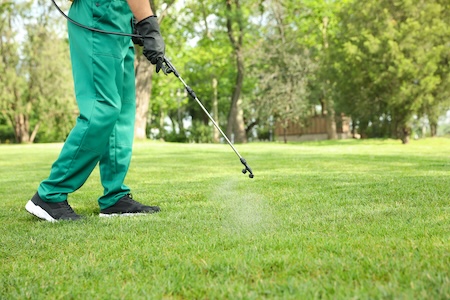
With Denton Lawn Care, service starts with a focused inspection, clear diagnosis, and a plan that fits your turf type and season. If insects are present, our technicians apply targeted products only where needed and outline simple after‑visit steps like when to resume mowing. For a smooth path forward, read more about professional lawn insect control that’s built for Leander conditions.
How Season and Turf Type Shape Damage
Bermuda often shows quick recovery once feeding stops, but it can thin fast under intense heat plus pests. St. Augustine tolerates shade better, yet is a favorite for chinch bugs in full sun. Zoysia can mask early insect pressure because it looks thick, then drop color suddenly when roots are stressed.
Matching treatment to grass type matters. Pairing insect control with nutrition strengthens recovery. If you’re building back thickness after an outbreak, consider timed mowing frequency that protects new growth and keeps height consistent through heat and rain bursts.
Neighborhood Patterns Across Leander
Crystal Falls slopes and street‑side strips heat up fast in late afternoon. Travisso and Bryson backyards that hold shade and moisture can encourage caterpillars after rain. Mason Hills and Block House Creek often show hot, bright corners along fences where chinch bugs start first.
These are trends, not rules. A professional walk‑through looks at sun, shade, irrigation, and traffic to find the exact cause in your yard.
Why Professional Help Beats Trial and Error
Successful control in Central Texas is about timing and precision. Getting the right product on the right pest at the right time protects your grass without over‑treating. Our team uses a simple, step‑by‑step process and keeps communication clear, so you always know what’s next.
Many homeowners also tighten up the big picture after treatment. Balanced nutrition, proper mowing height, and seasonally timed care help turf fill in so pests have fewer chances to return. If your yard needs a stronger foundation after damage, we can align pest work with your broader program while keeping visits easy to schedule at 512-658-7524.
Common Misreads That Slow Recovery
It’s easy to chase the wrong fix when patches spread.
- Watering more for a chinch bug spot rarely helps. The underlying issue is feeding damage, not moisture.
- Overseeding thin areas before stopping pests wastes seed and hides the real cause.
- Random product changes can delay results. Diagnosis first, then targeted action.
When you focus on the cause, the fix gets simpler and recovery is faster.
Ready To Protect Your Yard?
If your lawn in Leander, TX shows the signs above, you don’t have to guess. Start with a quick inspection and a clear plan from Denton Lawn Care. For a complete overview of services and seasonal timing, explore lawn insect control in Leander, TX resources on our home base, then book a friendly visit that fits your week.
Want a thicker yard and fewer surprises through the season? Call 512-658-7524 to schedule, and review our focused approach to professional lawn insect control built around local weather and turf types.
Get A Free Quote