
How Core Aeration Helps Grass Grow Thicker and Healthier
If your lawn looks tired or thin after our long Central Texas summers, you're not alone. Professional core aeration in Leander, TX opens the soil, helps roots breathe, and gives grass what it needs to grow denser and stronger.
Homeowners across Crystal Falls, Bryson, Travisso, and Mason Hills see the same challenge: heavy clay and rocky subsoils get packed tight from foot traffic, mowers, and summer heat. That compaction keeps water and nutrients near the surface instead of where roots can use them. When we perform core aeration, we remove small plugs of soil so air, water, and nutrients move deeper, and roots thicken up fast.
Why Leander Lawns Get Thin and Patchy
Central Texas lawns grow on soils that compact easily. New-home construction, hard rains followed by dry spells, and regular use from kids and pets all push soil particles together.
Compaction squeezes out air pockets. Without air, roots stay shallow and weak. You end up watering more, yet the grass still looks stressed, especially on sunny street-facing slopes and along fence lines.
- Water can't soak in, so it runs off and leaves dry spots.
- Fertilizer stays near the surface, where microbes and heat break it down before roots can use it.
- Shallow roots invite weeds to move in and thin the turf.
What Core Aeration Actually Does Below the Surface
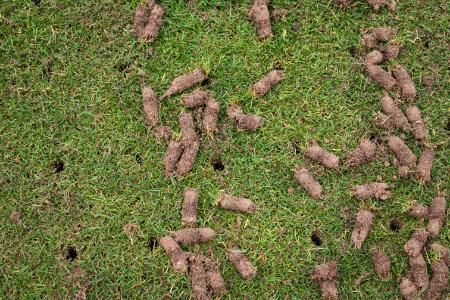
Core aeration removes small cylinders of soil and thatch across your yard in a consistent pattern. Those openings act like little pathways for everything your lawn needs.
Fresh air reaches the root zone. Water follows the channels instead of running off. Nutrients travel deeper and stay available longer. As roots chase this better environment, they grow thicker and stronger, which is the secret behind a fuller lawn.
Thicker Turf Starts With Stronger Roots
Once roots can expand, the entire lawn responds. Bermuda, St. Augustine, and Zoysia all thicken through new shoots and stolons when the root system has room to grow.
You'll notice the difference first in color, then in density. Areas that used to fade in August hold their green longer. With stronger roots, your grass can handle heat and foot traffic without turning patchy.
Best Time To Aerate in Central Texas
Warm-season grasses recover best when the soil is warm and actively growing. In Leander, the sweet spots typically fall in spring and early fall when nights are mild, and the soil isn't waterlogged.
Spring aeration sets your lawn up for vigorous summer growth. Early fall aeration helps grass rebuild after heat stress and preps it for winter. Avoid aerating while the grass is fully dormant or under severe drought stress.
How Aeration Improves Watering and Feeding
After aeration, irrigation soaks in instead of beading up or running down the curb. That means your regular watering schedule actually reaches the roots.
Fertilizer works better, too. With less thatch and more open soil, nutrients get where they're needed and aren't wasted at the surface. Many Leander homeowners tell us their lawn looks greener on the same watering routine because the soil finally cooperates.
Pairing Aeration With Overseeding or Topdressing
On thin Bermuda areas, aeration can be paired with overseeding during the right season. The cores create better seed-to-soil contact, which encourages even coverage.
A light topdressing with screened compost can also help improve our clay-heavy soils. The organic matter sifts into the holes, feeds beneficial microbes, and cushions soil particles so they resist packing tight again.
Signs Your Yard is Ready for Aeration
You don't need to guess. Lawns usually send clear signals when the soil is tired and tight.
- Footprints linger and don't spring back quickly.
- Puddles form after short showers or sprinkler cycles.
- Grass feels spongy from thatch or looks pale even with feeding.
- Tree roots near the surface compete hard for moisture and space.
If any of these sound familiar, your lawn will likely benefit from scheduled aeration before peak summer heat or as we head into fall growth.
What to Expect From a Professional Service
On service day, we inspect the lawn, note irrigation heads and shallow utilities, and plan safe machine routes. The aerator removes thousands of small cores across the yard for even coverage. Cores are left on the surface to break down naturally and return nutrients to the soil.
Flag or note any irrigation heads, drain grates, or shallow landscape lighting so they can be avoided during service. After aeration, plan on normal mowing once the lawn dries, and keep regular watering to help the soil settle and roots expand.
Central Texas clay compacts quickly after big spring storms and heavy summer foot traffic. Timing aeration in March-April or September-October often delivers the best recovery window for Leander lawns. When in doubt, ask us to evaluate growth and soil moisture before scheduling.
Neighborhood Notes Across Leander
Soils can shift from one subdivision to the next. Crystal Falls often mixes clay with limestone fragments that pack tightly along slopes. Bryson and Mason Hills homes sometimes see runoff at curbside strips that bake in full sun. Travisso lawns with active foot traffic around patios and play sets can develop thin paths where grass struggles to rebound.
In each case, core aeration opens the soil so roots can reclaim those high-stress zones. Over time, turf evens out and handles family use with less wear.
How Often Should You Aerate?
Frequency depends on traffic, soil type, and grass species. Many Leander lawns benefit from annual aeration, while high-traffic or newly built properties may need it more often early on. We'll assess compaction and thatch levels and recommend a schedule that fits your yard and how you use it.
The Visible Payoff: Thicker, Quieter, Cooler Lawns
Aerated lawns look thicker because shoots fill in the gaps. They can also feel cooler underfoot since dense turf shades the soil and holds moisture better. As roots deepen, mowing lines appear crisper and edges along sidewalks resist chipping out.
Another plus is fewer weeds over time. Thick grass leaves less open real estate for invaders to grab. It's a simple chain reaction: open the soil, strengthen the roots, and the lawn takes care of the rest.
Local Care Tips After Aeration
Keep daily routines simple while the lawn rebounds. Watering should be steady and matched to the season. Mow with sharp blades and avoid scalping on slopes or thin spots.
Skip heavy foot traffic on newly aerated areas for a short stretch so roots can re-knit the soil profile. If you've added compost, expect a brief color change as it blends in. That fades quickly as new growth takes off.
Why Choose a Local Team for Aeration
Local crews understand Central Texas weather swings and neighborhood soil patterns. We recognize how a south-facing hill in Mason Hills dries twice as fast as a shaded backyard in Crystal Falls, and we adjust service plans to match. When you work with Denton Lawn Care, you get consistent quality and on-time communication from a team that treats your lawn like their own.
If you're comparing options, choose a trusted lawn services company that stands behind its work, shows up prepared, and explains what to expect at every step. Clear feedback and consistent scheduling are what help your lawn keep improving season after season.
Ready for Thicker, Healthier Grass?
When soil opens up, everything gets easier: watering, feeding, and staying green through the toughest months. That's why core aeration is one of the most powerful moves you can make for long-term lawn health in Leander.
Want a lawn that feels like a soft, green carpet again? Call Denton Lawn Care at 512-658-7524 to schedule professional core aeration and get your yard growing thicker and healthier.
Get A Free Quote