Granular vs Liquid Lawn Fertilizer: Pros, Cons & Best Uses
- Robbie Denton
- Dec 9
- 9 min read
When you compare granular vs liquid lawn fertilizer, you’re choosing between dry pellets that release nutrients over time and a water-based spray that feeds fast. Both deliver the same essential N-P-K your grass needs; the main differences are how quickly plants can use them, how evenly you can apply them, how often you’ll reapply, and how they fit your budget and schedule. For Central Texas lawns that ride out heat, drought, and clay-heavy soils, those tradeoffs matter.
This guide breaks the decision down simply. You’ll learn what each type is, how quick- and slow-release work, pros and cons, and the key factors for choosing what’s best for your yard. We’ll cover seasonal use in Central Texas, application tips, rates and timing, safety practices, combining granular and liquid, cost and storage, mistakes to avoid, and how to read an N-P-K label to pick the right formula. Let’s start with the basics.
What is granular lawn fertilizer?
Granular lawn fertilizer is a dry blend of nutrient pellets you spread across the turf. Most formulations are controlled-release (slow-release), feeding over 6–8 weeks as pellets dissolve with moisture, though quick‑release options exist. You apply it with a rotary or drop spreader, then water to move nutrients into the root zone. Because each pellet releases gradually, it’s a good fit when you want steady nutrition and fewer applications, plus easy storage and good shelf life—popular on Central Texas lawns that benefit from sustained feeding through heat and drought.
What is liquid lawn fertilizer?
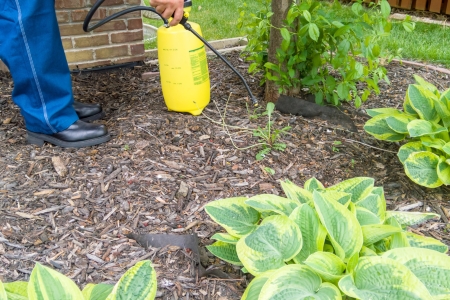
Liquid lawn fertilizer is a water‑soluble concentrate you mix with water and spray over the lawn. Most formulas are quick‑release, so nutrients are available immediately and results appear fast. Hose‑end bottles or tank/pump sprayers make application easy, and every drop delivers the same N‑P‑K for even coverage. Because it acts quickly, it needs more frequent reapplications than slow‑release granular, but it shines for starter feed on new seed or sod, rapid green‑ups, and rescuing stressed Central Texas turf.
Quick-release vs slow-release: how each works and why it matters
Quick-release fertilizers dissolve fast in water, making nutrients available immediately after you apply and water them. They’re often liquid (though some granular products are quick-release) and deliver rapid green-up, but need more frequent applications and can cause growth surges or burn if overapplied. Slow-release (controlled-release) fertilizers meter nutrients out over roughly 6–8 weeks. They’re commonly granular, provide steadier color with fewer applications, and offer a wider safety margin—especially helpful through Central Texas heat and drought.
Use quick-release when: Starting new seed/sod, fixing deficiencies fast, or greening up ahead of an event.
Use slow-release when: Maintaining steady growth, reducing application frequency, and minimizing burn/runoff risk.
Pros and cons of granular fertilizer
If you’re leaning granular in the granular vs liquid lawn fertilizer debate, think steady, budget-friendly nutrition. Most granular products are controlled-release that feed 6–8 weeks, ideal for maintaining color through Central Texas heat. They store well and are easy to schedule, but they demand careful spreading and water to activate.
Long-lasting feeding: Controlled-release nutrition for roughly 6–8 weeks.
Fewer applications: Lower seasonal cost and longer shelf life.
Flexible timing: Reliable for steady color and maintenance.
Application skill required: Calibrated spreader needed; non-uniform granules can stripe.
Needs watering-in: Slower to act on stressed or deficient turf.
Salt load risk: Higher salt content can increase burn risk in heat.
Pros and cons of liquid fertilizer
In the granular vs liquid lawn fertilizer decision, liquids win for speed and precision. Most are quick‑release sprays the turf absorbs fast, every drop delivers uniform N‑P‑K, and hose‑end bottles are convenient. The tradeoff: they wear off sooner, can push top growth, and often cost more.
Fast green-up: Quick-release nutrients are available immediately.
Even coverage: Homogenous mix; can tank‑mix with herbicides/pesticides.
Simple application: Hose‑end use; no spreader or calibration.
Shorter residual: Requires more frequent reapplications than slow‑release granular.
Growth surge/burn risk: Quick feeds can stress roots, especially in heat or wind.
Higher cost/shorter shelf life: Typically pricier and should be used sooner.
Which is better for your lawn? Key factors to consider
There isn’t a single winner in the granular vs liquid lawn fertilizer debate—“better” depends on your goals, lawn condition, season, and how much time you can invest. Slow‑release granular feeds steadily with fewer trips and wider safety margins; liquid feeds act fast with very even coverage but require more frequent applications. Use these factors to choose confidently:
Lawn condition & goals: For established lawns and steady color, choose slow‑release granular. For new seed/sod, a quick rescue, or fast green‑up, choose liquid.
Timing & climate: In Central Texas heat/drought, slow‑release reduces burn and runoff risk; before an event, liquid delivers speed.
Watering & soil: Granular needs watering‑in; liquids are helpful when watering timing is tricky.
Size & equipment: Large areas favor spreaders (granular); small lawns/spot work favors hose‑end sprays (liquid).
Frequency & budget: Granular typically costs less per season and lasts longer; liquids cost more and need more reapplications.
Weed/pest mixing: Liquids can be tank‑mixed with compatible herbicides/pesticides for one‑pass treatments.
When to use granular vs liquid across the season (Central Texas tips)
Central Texas lawns wake up early, endure long, hot summers, and bounce back in fall. Use the release speed to match the season and your goals—steady feeding from granular when heat is on, quick correction from liquid when you need results fast. Here’s a simple, local‑friendly calendar:
Spring green‑up (active growth): Start with slow‑release granular for a 6–8 week base feed; spot‑apply liquid for quick color or new seed/sod starts.
Early summer (warming trend): Re‑up granular for steady nutrition; use light liquid passes for event‑ready green‑ups. Spray in calm, cooler parts of the day.
Peak summer heat/drought: Favor controlled‑release granular to avoid growth surges and burn; if you must spray, keep liquid rates light and apply evenings to reduce stress.
Fall recovery: Apply granular to rebuild roots and color; pair with liquid starter only when laying new sod or seeding for immediate availability.
How to apply granular fertilizer the right way
Great results with granular fertilizer come from even coverage and activation. In the granular vs liquid lawn fertilizer conversation, granular needs a calibrated spreader, consistent walking speed, light overlap, and prompt watering-in so nutrients move into the root zone without stripes or burn.
Set the spreader: Calibrate to the product’s label settings for your spreader model.
Load smart: Fill the hopper on a driveway/patio and collect any spills to avoid turf burn.
Frame the edges: Make a perimeter pass so granules land just inside hardscapes.
Apply evenly: Walk about 3 mph with the gate set per label; make straight, parallel passes.
Slightly overlap: Overlap wheel-to-wheel to prevent missed streaks, but avoid double-feeding.
Water in: Irrigate soon after application so pellets dissolve and nutrients reach roots.
Clean up: Empty and rinse the spreader; store fertilizer sealed and dry.
How to apply liquid fertilizer the right way
Liquid fertilizer is simple to use, but results hinge on timing, weather, and smooth spray technique. In the granular vs liquid lawn fertilizer choice, liquids reward precision: calm air, cooler temps, correct dilution, and even coverage prevent burn, waste, and streaks while delivering that fast green-up you want.
Set up first: Attach the hose‑end bottle or sprayer before turning water on; switch to “On” and confirm spray pattern.
Pick the window: Apply on a calm, non‑windy day during the cooler morning or evening to reduce burn and drift.
Cover methodically: Outline the perimeter, then fill the interior with straight passes and light overlap; walk backward to avoid tracking.
Keep moving: Sweep the nozzle and avoid dwelling in one spot to prevent over‑application.
Mix smart: Follow label dilution; only tank‑mix with herbicides/pesticides if labels allow.
Protect surfaces: Keep spray off hardscapes and ornamentals; rinse accidental contact promptly.
Watering note: Don’t water‑in unless your product label specifically instructs it.
Clean and store: Rinse equipment and cap bottles tightly; liquids have shorter shelf life, so use within the manufacturer’s timeframe.
How much and how often to fertilize: rates, frequency, and scheduling
How often you feed should match release speed, season, and how your turf looks. Always follow the product label first. In the granular vs liquid lawn fertilizer decision, think “steady and spaced” for granular and “lighter, more often” for liquids, adjusting based on growth, color, and weather.
Slow‑release granular: Plan on about every 6–8 weeks during active growth. Water in after application and extend intervals during peak Central Texas heat to reduce stress.
Quick‑release liquid: Use light applications every few weeks for green‑ups, new seed/sod, or to correct issues fast. Avoid stacking a liquid feed right after a granular application.
Seasonal rhythm (Central Texas): Granular in spring for a base feed; maintain with granular midspring/early summer; ease off or use lighter doses in peak heat; apply a fall granular to rebuild roots and color.
Scheduling tips: Skip dormant periods, don’t overapply, and space applications so nutrients have time to work before the next feed.
Safety and environmental best practices
Feeding your lawn shouldn’t risk your family, pets, or local waterways. In the granular vs liquid lawn fertilizer choice, slow‑release granular generally offers a wider safety margin, while quick‑release liquids move fast and can drift in wind—so timing and technique matter. Always read and follow the product label first.
Watch the weather: Skip applications before heavy rain. Spray liquids on calm, cooler mornings/evenings to reduce drift and burn.
Prevent runoff: Water‑in granular promptly so nutrients reach roots. Don’t water‑in liquids unless the label says to.
Protect hardscapes and drains: Load spreaders on a driveway/patio; collect spills. Sweep stray granules off pavement back onto turf. Keep spray off sidewalks, beds, and storm drains.
Measure and calibrate: Use label rates, calibrate your spreader, and avoid stacking a quick‑release liquid right after a granular feed.
Mind kids and pets: Keep off treated areas until the product has dried or been watered‑in, per label directions.
Store and handle safely: Seal bags, keep products dry and out of reach, and use liquids within the manufacturer’s timeframe. Only tank‑mix with herbicides/pesticides if labels permit.
Can you use both together? A blended feeding strategy
Yes—used correctly, granular and liquid complement each other. Think of slow‑release granular as your “base feed” and liquid as a targeted booster. The blended approach fits homeowners who want steady, low‑risk nutrition with the option to green‑up fast for events, new sod/seed, or to correct a deficiency—without overfeeding in Central Texas heat.
Baseline: Apply slow‑release granular for a 6–8 week feed.
Between cycles: Use light liquid “spoon‑feeds” for quick color or starts.
Space applications: Don’t stack same day; follow label nitrogen limits.
Conditions: Water‑in granular; spray liquids in calm, cooler windows only.
Cost, shelf life, and storage differences
When comparing granular vs liquid lawn fertilizer on ownership costs, longevity, and storage, granular usually wins on value and durability. It’s typically cheaper per season, requires fewer applications, and stores well for long periods. Liquids deliver speed and convenience but tend to cost more per use and should be used within the manufacturer’s timeframe.
Cost: Granular is typically less expensive (especially in bulk) and lasts longer between feeds; liquids often cost more and need more frequent applications.
Shelf life: Granular has a longer shelf life when kept dry; liquids have a shorter shelf life—use within the label’s recommended window.
Storage: Keep granular sealed and dry. Store liquids tightly capped and follow label storage directions; avoid moisture contamination and dispose of leftovers per instructions.
Common mistakes to avoid (and how to fix them)
Even the best fertilizer won’t shine if application basics get skipped. These are the mistakes we see most on Central Texas lawns—and the quick fixes that protect color, roots, and your wallet while getting the most from granular vs liquid lawn fertilizer.
Overapplying or double-feeding: Follow label lbs N/1,000 sq ft; space applications; spoon‑feed lightly with liquids if needed.
Skipping spreader calibration: Match bag settings to your model; test on a driveway; adjust before treating turf.
Not watering‑in granular: Irrigate soon after spreading; if storms are imminent, wait to prevent runoff.
Watering‑in foliar liquids: Let liquids dry/absorb unless the label specifically says to water‑in.
Spraying in wind/heat: Apply in calm, cooler morning/evening windows; keep the nozzle moving to avoid hot spots.
Spills on hardscapes/storm drains: Load on pavement, collect spills, and sweep stray granules back onto grass.
Feeding drought‑stressed/dormant turf: Rehydrate first; use slow‑release at reduced rates and delay heavy quick‑release feeds.
How to read an N-P-K label and pick the right formula
Every fertilizer lists three numbers as N-P-K, the percentage by weight of nitrogen, phosphorus, and potassium. For example, 24-25-4 means 24% N, 25% P, 4% K. Nitrogen drives growth and green color, phosphorus supports roots and seeding, and potassium boosts drought and disease resistance. Your grass can’t tell liquid from granular—nutrients are nutrients—so pick the analysis that fits your goal, season, and any local phosphorus limits.
High‑N for established lawns:29-0-5 or similar to build color and density during active growth; favor slow‑release N in Central Texas heat.
Balanced maintenance:16-4-8 for routine feeding; use 15-0-15 where phosphate is restricted while still adding stress protection from K.
Starter for new seed/sod: P‑forward options like 3-18-18 to encourage rooting and establishment (only where allowed/needed).
Stress support and color tuning: Higher K (e.g., 15-0-15) ahead of heat/drought; add iron micronutrient products to deepen green without pushing top growth.
Always follow the label, respect local rules on phosphorus, and match release type (quick vs slow) to your timing needs.
Quick decision guide: pick granular or liquid for these scenarios
If you’re on the fence, use this quick picker to match release speed to your goal, season, and lawn size. It reflects how granular vs liquid lawn fertilizer performs in real yards—especially through Central Texas heat, wind, and tight watering windows.
Need fast green‑up/event prep: Liquid quick‑release.
New seed or fresh sod: Liquid starter for immediate availability.
Season‑long steady feeding: Granular slow‑release (6–8 weeks).
Peak heat/drought stress: Granular controlled‑release, lower burn risk.
Large lawn/value focus: Granular; fewer apps, longer shelf life.
Spot fixes or foliar micros: Liquid; uniform, even coverage.
The bottom line
There’s no universal winner here—choose the release speed that matches your goal, season, and time. Use granular for steady, low‑risk feeding with fewer applications; use liquid for fast green‑ups, starters, and targeted fixes. The smartest approach for most yards is a blend: a slow‑release granular base with light liquid touchups as needed. In Central Texas heat and drought, lean on controlled‑release and time any liquid sprays for calm, cooler windows. If you’d like a simple, dialed‑in plan (including spreader calibration, safe rates, and weed control), book a quick consult with Denton Lawn Care and we’ll build a season‑long program that keeps your lawn green, healthy, and stress‑ready.


Comments